
Personal Websites Are In a Weird Place Right Now
They matter… and they don’t
My Medium friends can read this story over there as well.
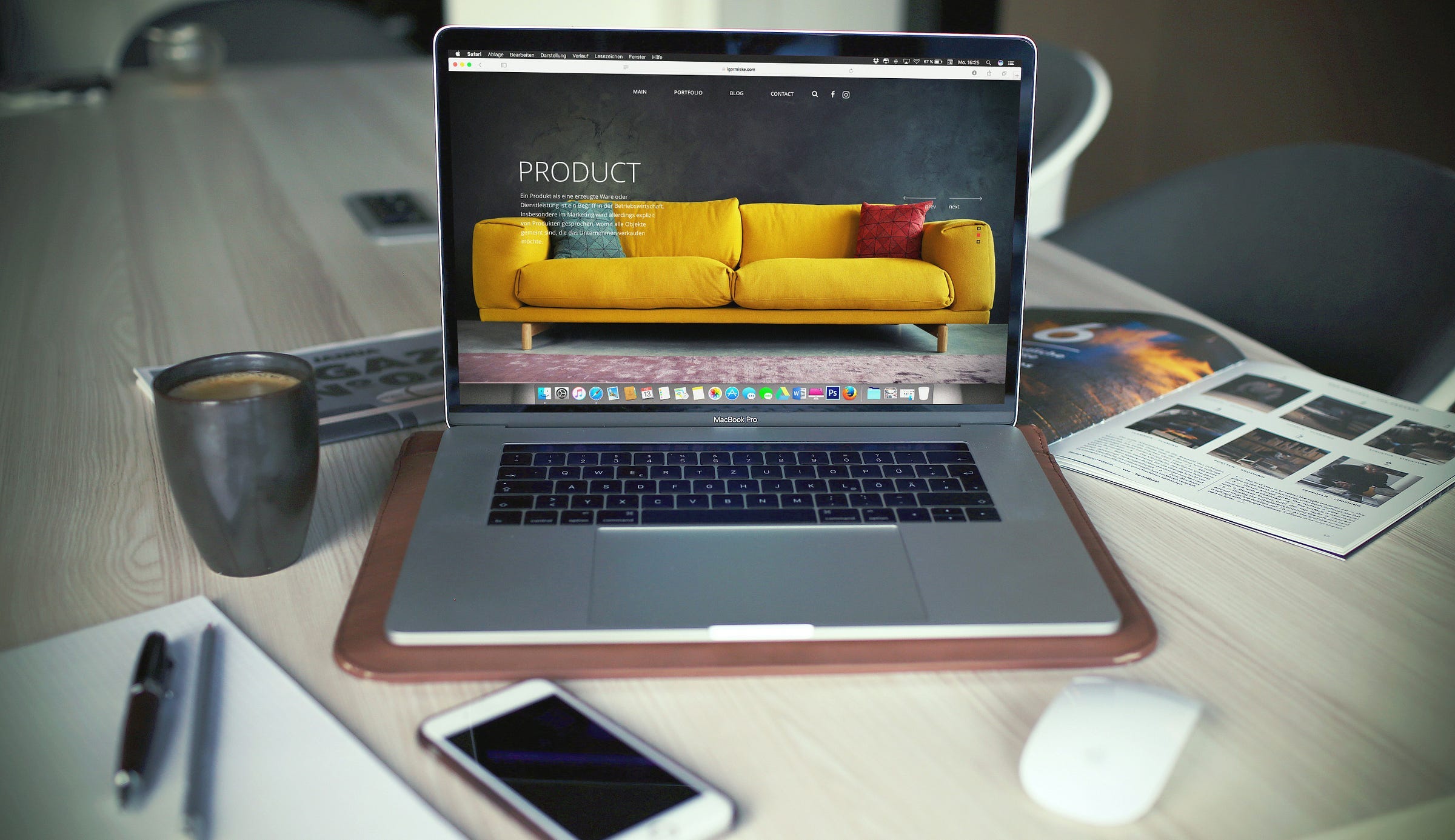
I love a good website. My first interaction with online building and developing was web design back in 2008.
Web development has a place in my heart.
But it’s a weird time for personal websites now.
On one side, we absolutely need our own websites, now probably more than ever. Ownership. Independence. Control.
On the other side, reality is most creators don’t really use their websites anymore. They publish on other platforms. They grow elsewhere. They get paid elsewhere. Their audience lives on other platforms.
There are exceptions, of course. But mostly, this is 2026.
So websites 2026? Needed? Unnecessary? Both sides have a point. And both sides miss something.
Why personal websites used to matter so much
A personal website once meant digital freedom.
Your own domain. Your own design. Your own rules. No algorithm deciding who gets to see your work. No sudden monetization changes. No account bans.
A long-term asset. A place you could move, redesign, rebuild, and still keep the same URL.
That mattered because most digital platforms were fragile, limited, and often bad at serving creators. Most still are.
So the advice made sense: build your own site, own your audience, don’t rely on anyone else.
Solid advice.
What changed
The internet changed quite a bit.
Readers stopped browsing homepages. They stopped typing URLs. They stopped exploring websites for fun.
Now they:
scroll feeds
click recommendations
read in apps
follow links sent by humans or algorithms
Discovery moved away from the open web and into (closed) ecosystems.
At the same time, platforms got superb at the boring stuff:
hosting
design
mobile optimization
email delivery
payments
analytics
security
distribution
What used to require a stack of tools and a lot of patience is now handled automatically and fairly cheaply.
This changed the cost-benefit equation.
Ownership without attention is still lonely
Owning a website does not guarantee readers. Never did, but now it’s worse than ever.
We can control every pixel of our site and still have zero traffic. Independence feels great, until we realize nobody is home.
A personal website is small.
Platforms are big, crowded, and annoying. But people are there.
If the goal is writing that gets read, or work that gets seen, distribution matters more than architecture.
Running your own site
A website is never just “set it and forget it”.
There’s always something:
a plugin update
a theme that feels outdated after a year
legal requirements that changed
SEO rules that shifted
performance issues
spam
analytics
Modern builders may reduce friction, but they don’t remove it. Every hour spent maintaining infrastructure is an hour not spent creating.
For us writers, that trade-off might be underestimated… and not worth it. Or it may. That’s our decision.
The strongest case for having a website today
Despite all that, personal websites are not obsolete. I love a good website.
Many are just misused. A website still makes a lot of sense if:
you run a business with multiple offers
you rely heavily on SEO
you sell services or products directly
you need custom integrations
you manage a team or a brand
you want a stable professional reference point
In these cases, a website is infrastructure. Purely practical.
But not every creator falls into this category.
Actually, most don’t. That’s why most don’t need a website anymore.
The real risk is not platforms, it’s dependency
The biggest danger today is not “publishing on a platform”. It’s publishing on only one platform. And even your website can’t help with that. If that’s your only platform, it’s still dangerous.
A creator 2026 should have:
an email list (or two)
multiple publishing surfaces
a recognizable voice
a portable audience relationship
a hang on AI without relying on it
This is far more resilient than someone with a beautiful website nobody visits.
The modern role of a personal website
a hub
a switchboard
a reference point
a fallback
a place to point your domain
So do we need a personal website or not?
Sometimes yes. Sometimes no.
A website is a tool. One option among many. And like all other tool, having too many tools decreases productivity, rather than increases.
For some creators, a website means leverage. For others, it’s just a distraction.
The domain matters more than the website
When people say “you need your own website,” they usually mean another thing anyway, without naming it. Or without knowing it.
They mean the domain. The URL.
The domain is the portable asset. Not the website or the CMS. Not the theme. Not the hosting setup.
A domain is the one thing we can take with us.
We can point it to:
a personal website today
Substack tomorrow
a different platform next year
something new that doesn’t exist yet
Readers don’t really care what powers the page behind the URL. They remember the name. They bookmark the link. They trust the address. Ideally.
The website is an implementation detail. The domain is the identity layer.
That’s why connecting a custom domain to whatever platform we use is such a powerful move. It keeps continuity without forcing us into maintenance hell.
We stay flexible. Platforms can change. Tools can come and go.
The domain stays.
I have custom domain connected to most of my platforms. Medium, Substack, Gumroad. I can move, and take the URL with me.
Also, the URL is what matters for SEO.
The Bottom Line
What actually matters is:
having a portable identity (your domain)
having direct access to your audience
not being locked into a single ecosystem
A personal website can support that. So can platforms, if used deliberately.
Independence today is about staying “movable”. Being able to change tools without losing fans. Carrying your name, your links, and your work with you.
Own what needs to be owned. Outsource what slows you down. Create where people already are.
The rest is just implementation details.


