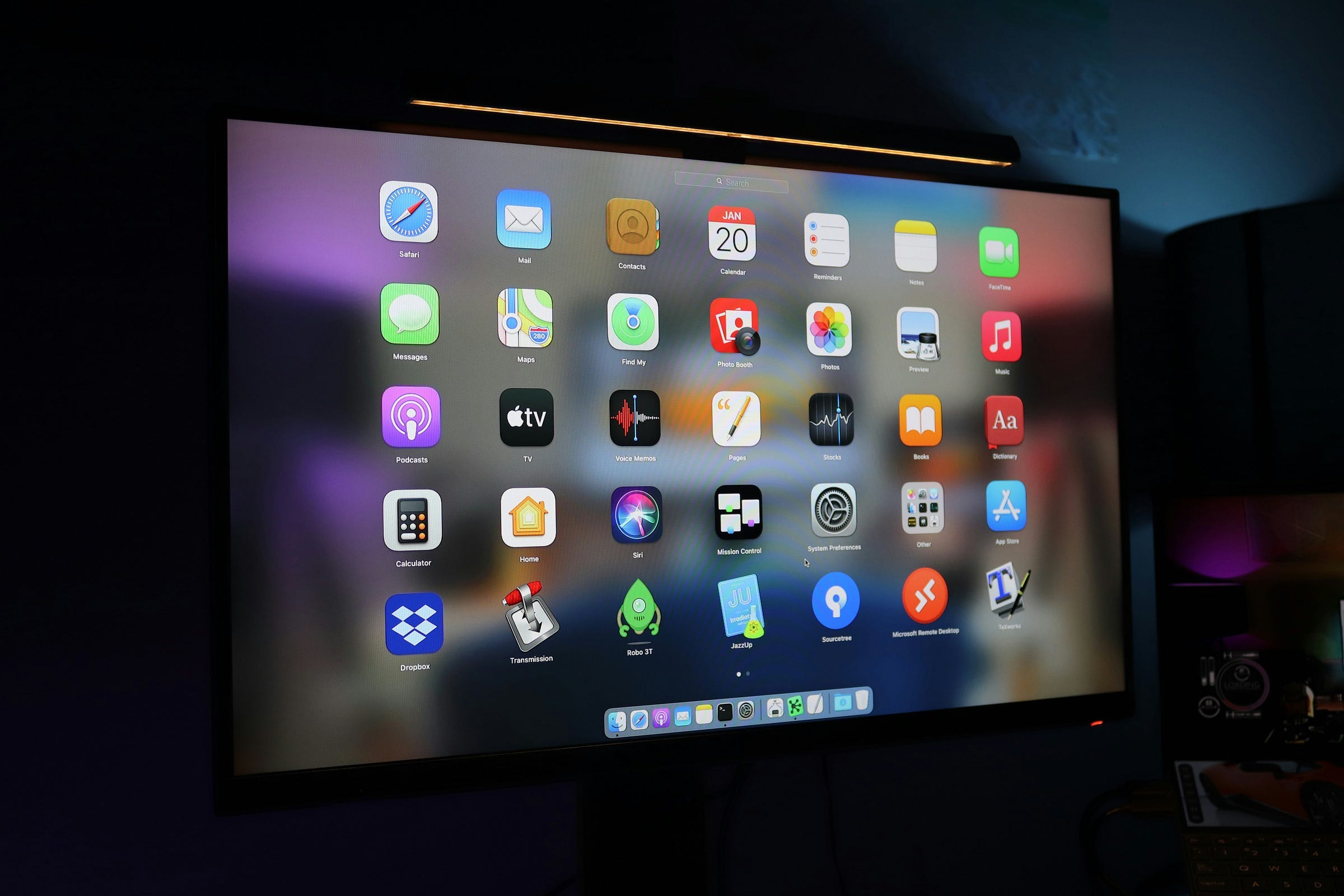
The End of the “App”?
Why AI Coding Might — and Might Not — Kill the App Model
We are entering the era of the “Disposable Application.”
With just insanely capable AI coding models popping up everywhere and iterating fast, like Claude Code, Codex, or Gemini, and powerful tools like OpenClaw, the barrier between needing a tool and owning a tool is… kind of disappearing.
The question is no longer “Is there an app for that?” but rather “Can I just prompt that app into existence in an afternoon?”
No need to pay yet another subscription.
If anyone can generate a custom-tailored CRM, a personal finance tracker, or a specialized project management tool in a few hours, what happens to the multi-billion dollar paid app market?
Will paid software become entirely obsolete?
1. “Feature-Lite” Utility
The first victims of the AI coding revolution will be and already are the “simple” apps.
If you are paying €4.99/month for a specialized PDF converter, a basic habit tracker, or a recipe manager, your subscription is on borrowed time.
These are “commodity features” masquerading as products. Any AI coding agent can replicate those features in no time.
When a user can describe their specific workflow to and receive a localized, private, and perfectly fitted Flutter, React Native, or Web app, the generic utility app loses its value proposition.
For tech-savvy users, the “Build vs. Buy” equation is already permanently shifting toward build.
I build more now than ever. And yes, some tools I would have paid for otherwise.
2. The Maintenance Trap
But there is still an issue. Free is never really free.
Building an app is 10% of the journey. Now more than ever. Maintaining it is the other 90%. This is where the “everyone will build their own apps” theory hits a wall, quickly.
And where most YouTube videos promising a world where we can build an and deploy it in a day… are simply lying.
It’s fast to build. It’s not easy to deploy and maintain. Not yet.
A self-generated app doesn’t automatically update when iOS 20 releases. It doesn’t monitor itself for new security vulnerabilities. It doesn’t handle the evolving complexities of DSGVO/GDPR compliance or changing tax laws.
Paid apps are selling outsourced responsibility. Even a developer who can build their own bookkeeping tool might still pay for one because they want someone else to be responsible for the legal correctness of the export files.
3. From “Apps” to “Ecosystems”
We will likely see a bifurcation of the market:
The Personal Layer (DIY): High-intent, tech-literate users will create a constellation of “micro-apps” for themselves — small, private scripts and UIs that handle personal data and niche workflows. These will be “Disposable Apps” that you use for three months and then delete or evolve.
The Infrastructure Layer (Paid): Users will continue to pay for apps that require network effects (Slack, Figma), heavy infrastructure (Cloud storage, AI compute), or legal/professional indemnity (Banking, Medical, Tax).
Right?
4. Will Only “Non-Techies” Pay?
The most tech-savvy people are often the ones most aware of the “Cost of Ownership.” A programmer knows that a “simple” app they built over the weekend is a liability that will eventually break and demand their time.
However, the expectation for paid apps will skyrocket. The “absolute non-techy” person might stay on a paid app longer out of inertia, but the moment the AI-assisted “Onboarding-to-Build” flow becomes seamless (think: “Sign in with Google and tell me what you want your app to do”), even they might churn.
Paid apps will have to prove they offer something a LLM cannot generate on the fly:
Community and Data Networks: Your custom-built app can’t talk to your colleagues’ custom-built apps unless there is a shared protocol.
Polished UX: There is a “soul” to well-designed software — the subtle animations, the intuitive flow, the brand — that AI still struggles to replicate without human creative direction. For now…
Bulletproof Privacy: Ironically, building your own app via an external AI provider involves sending your logic and data through their servers. A “Local-First” paid app with a strong privacy guarantee might actually be safer than a DIY AI app.
The Bottom Line
Apps won’t disappear right now. But much of the simple tools and a lot of the SaaS “bloat” will eventually.
From a world of “standardized solutions” and toward a world of Standardized Infrastructure + Personalized Interfaces.
The winners in the next decade will be the companies and individuals hat provide the most reliable data-backends that our personal AI-generated interfaces can plug into.
In the future, you won’t buy an app. You’ll buy a Service, and your AI will build the App you use to interact with it.
I think. What do you think?


"...our personal AI-generated interfaces can plug into." and
Standardized Infrastructure + Personalized Interfaces.
I do agree with this. Any app that we use now, it's UX / UI is designed and constrained by the developer.
The future construct of a personal info dashboard, would only be limited by our imagination and prompt.