

Write The Article You Keep Googling
Our search history is a great topic list

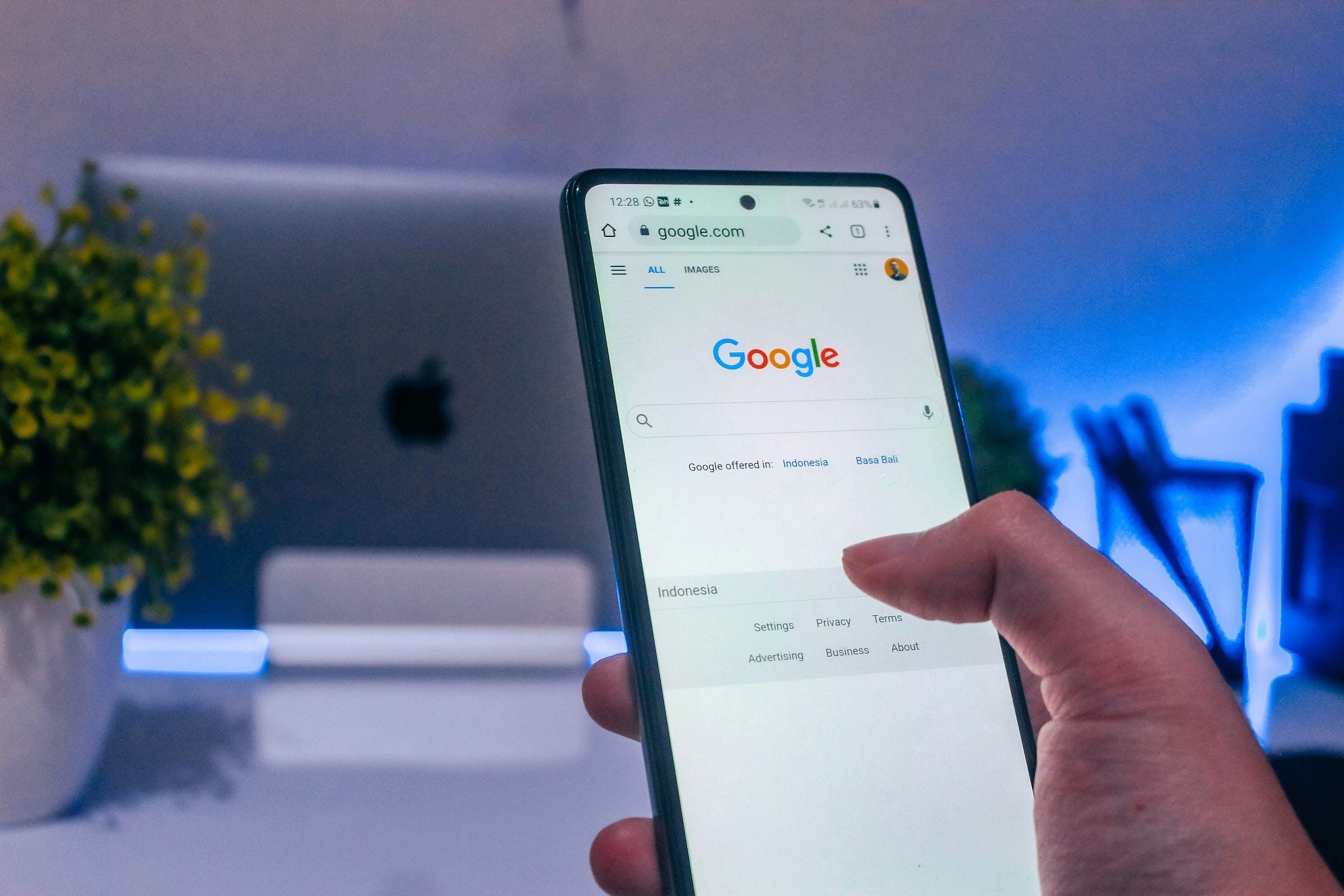
Most of us have a tab open right now with a search query that returned nothing useful. We typed it. Scrolled three results deep. Closed them. Moved on.
The gap is the work
When we search for something specific and get nothing back, the hard part is mostly done. Someone (us) named the question. Tested the existing answers. Found them wanting.
That’s research.
Most articles fail at exactly this step. The writer picks a topic, then has to invent the angle, find the gap, and write something only they can write. Our searches do all three at once.
Yet we ignore them
They feel too small. Or too obvious. Or too embarrassing to ask out loud. We assume someone already wrote it well and we just missed it.
Sometimes that’s true. But often it isn’t. The internet is huge and shallow at the same time. Plenty of topics have surface-level coverage and almost nothing underneath.
If five of our searches in a month land in the same gap, that gap is probably really there.
What a good Googled topic looks like
Specificity.
“How to grow a Substack” returns ten thousand articles. Pretty useless. Not the articles. The query. The question is too broad to answer.
“How to price a paid Substack tier when the free one only has 200 subscribers” returns very little (good stuff). Because nobody can answer it without having tried it properly.
The narrower the question, the more our experience is the right material. This is closer to real niching than picking a topic cluster.
What to do with it
Open a notes file. Whatever app we use. Apple Notes, Bear, a TextEdit window.
For one week, paste in any search query that came back useless. Don’t filter. Just collect.
At the end of the week, most will be junk. Some will be vaguely interesting. One or two will be cool article ideas.
That’s a higher hit rate than any topic strategy I’ve tried.
We don’t hit gold every time
Some searches return nothing because the answer is just… hard. If others haven’t written it, maybe we can’t either.
Some searches are personal. Health stuff, family stuff, things tied to our exact situation. Those don’t transfer well. Usually.
Some searches are topical. They had no good answer because nobody had time to write one before the news cycle moved. By the time we’d publish, nobody cares.
Not every gap is a market. Some gaps are just… gaps.
The Bottom Line
Our search history is quite an honest reader. It tells us what we couldn’t find, when we needed it, and how we phrased the question.
Strategy gives us topics other writers are also chasing. The search bar gives us topics nobody else thought to write yet.