

The Substack Subscriber Who Never Opens Anything
I don’t care about email stats anymore

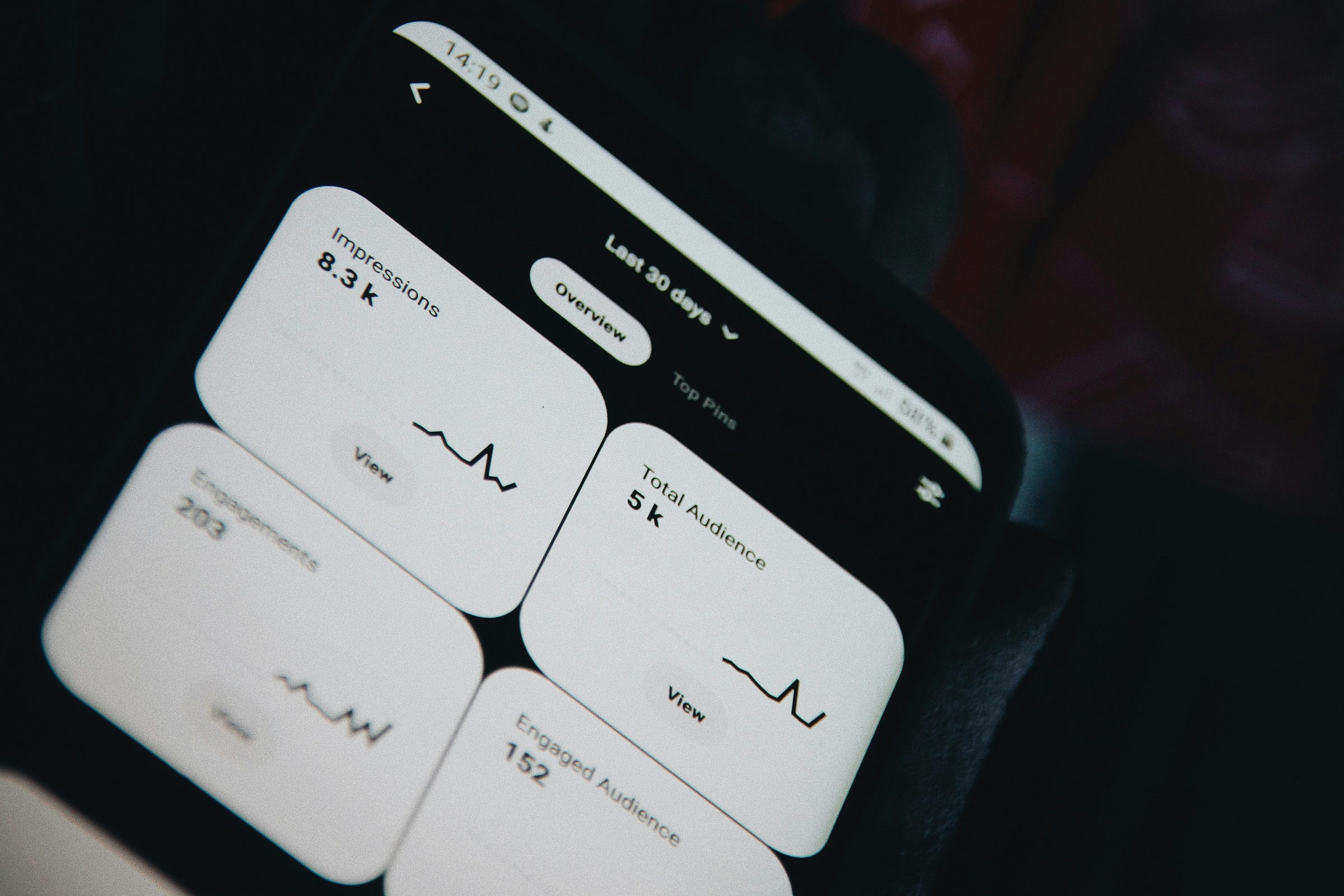
My Substack has subscribers. Some of them have never opened a single issue. Not one.
They signed up. For some reason. And then they disappeared.
I suspect the same is true for most newsletters.
That number on your profile, the subscribers, is a nice numbers. But not really the one to show off.
The Open Rate
Open rates used to be reliable. Mostly.
But when Apple launched Mail Privacy Protection, millions of iPhones started pre-loading email content automatically, marking it as “opened” even when the user never touches it.
The platform logs it. Your rate goes up. Readership doesn’t though.
How much of your reported open rate is real? Hard to say. Maybe more than half. But the 40–50% open rates… probably not.
Click-through rate is harder to fake.
You don’t pre-fetch a click. Industry average sits around 2–3% of your total list. That’s the number worth trusting more.
Not opens. Clicks.
I don’t care that much about clicks either. Although that number is far more important than open rates or subscriber count.
Ghost Subscribers
There’s a name for people who subscribed and never came back. Ghost subscribers.
They signed up because of a lead magnet, or a referral push, or one good subject line. Then life happened. They didn’t unsubscribe. They just stopped opening.
They still count toward your number.
A list of 1,000 subscribers probably looks something like this:
200–300 people who read most of what you send.
300–400 who open occasionally when a subject line lands.
300–500 who haven’t opened anything in months.
The audience that stays is almost always smaller than the audience that arrives. I wrote about this kind of long-game publishing reality in Writing the Same Topic for Five Years
1,000 Subscribers
1,000 subscribers. Reported open rate: 40%. That’s 400 opens.
Subtract Apple MPP inflation and you’re probably at 200–300 real subscribers per issue.
Click rate of 2%: 20 people clicking your links. Per issue.
Paid conversion. Top newsletters convert 5–10% of readers to paid. Most convert closer to 1–3%.
At 1%: 10 paid subscribers. At $8/month: $80/month.
At 3%: 30 paid subscribers. $240/month.
Not nothing. But still…
This is why I think about SEO alongside email.
A Substack post that ranks on Google keeps working whether your subscribers open it or not. It doesn’t care about subscriber counts or open rates.
The archive has a life of its own. I went into detail on this in How to Use Substack for SEO. It changes how you think about what’s worth writing.
The Number I Like More
Not subscribers. Not opens.
Replies.
How many people replied to your last issue? How many shared it?
For most newsletters at 1,000 subscribers, the reply count may be somewhere between 5 and 25. That’s your real audience.
Sounds kind of depressing for a 1000 sub list. But that’s how it is.
25 engaged readers who trust you enough to reply will click things, share things, buy things, and mabye stick around for years.
700 ghost subscribers won’t do any of those things.
The platform just doesn’t separate them visually, so you keep looking at the big number and feeling the wrong emotion.
Options
Audit your list. Substack lets you see who’s opened anything recently. Subscribers who haven’t opened in six months are distorting your metrics and inflating your count in a way that leads to bad decisions. Send a re-engagement email first, give them a week, then remove them. Your numbers will look worse. Your data will be better.
Track clicks, not opens. Write issues designed to get a click. One good link per email, with a reason to click it. Watch that number instead.
Monetize engagement, not size. Tools like SparkLoop* pay you per new engaged subscriber you refer to partner newsletters — not per your raw list count. If 200 real readers generate 40 referrals a month, you earn on those 40. Ghost subscribers don’t enter the equation. I’ve been using it as a passive layer on top of regular publishing, and it works whether or not your open rate looks good.
Think of your newsletter as a blog. Your Substack Is a Blog. Treat It Like One. The SEO value of your archive doesn’t depend on anyone opening your emails. That’s a separate audience entirely, and it compounds over time in a way your subscriber count doesn’t.
Grow intentionally. Subscribers who found you through search or a specific recommendation tend to be real readers. Random growth from a viral moment or a referral swap brings ghost subscribers. I built an automation system around my publishing partly to be more consistent and deliberate about this — showing up regularly to the right audience instead of chasing spikes.
The setup that supports all of this is worth thinking through carefully too. I covered what mine actually looks like in My Business Runs on 7 Tools.
The Bottom Line
If 25 people click your links per issue or reply, you reach 25 people. They’re the ones who might eventually pay you, forward your email, or support you.
The rest might come around. They might not. Either way, they’re not your audience right now. Their just numbers in your dashboard.
And really, 25 real readers is more than many people will ever achieve.
*this is an affiliate or SparkLoop* partner link. I may earn a commission.